
Week 564 · Bora Bora, French Polynesia
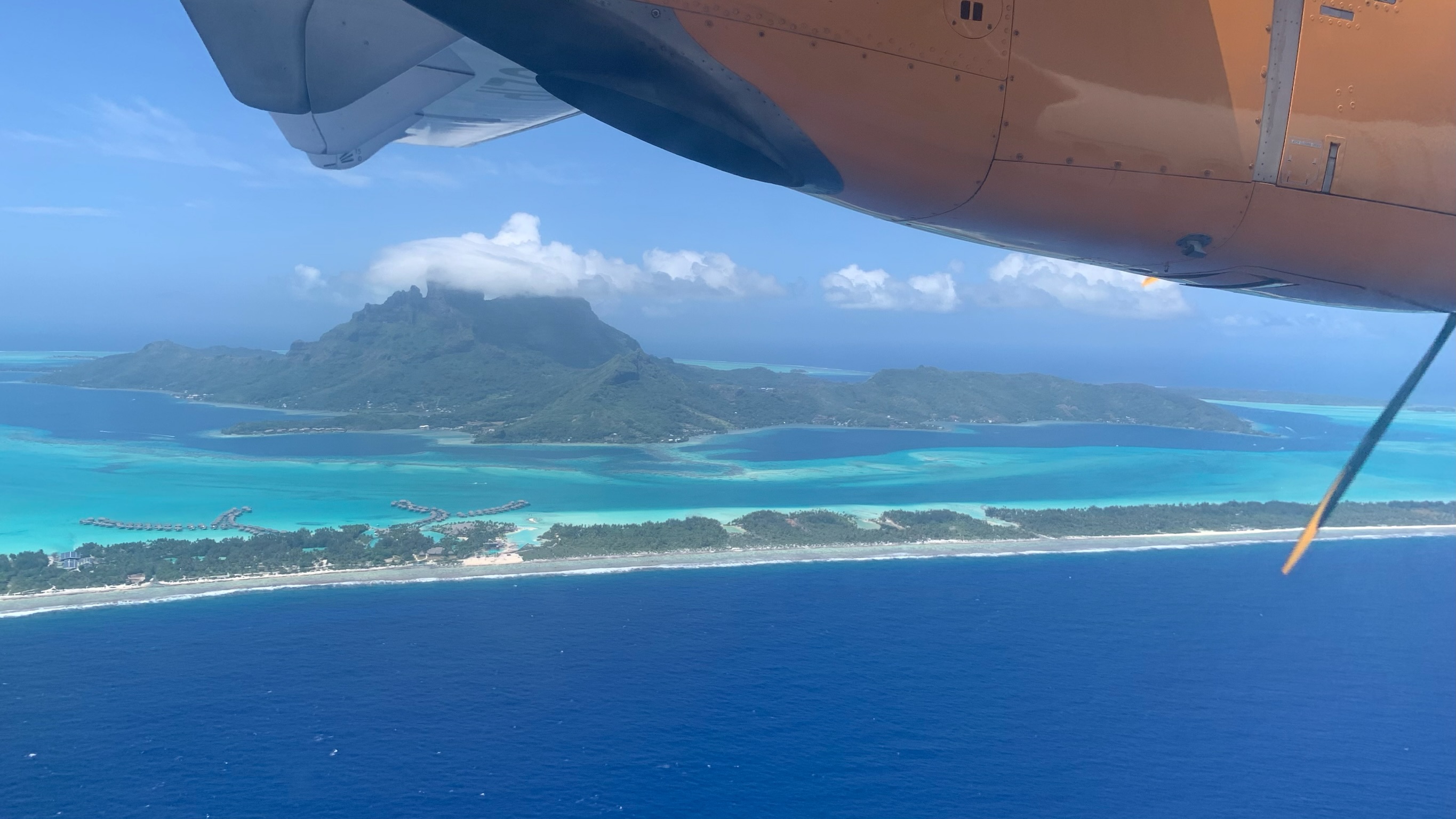
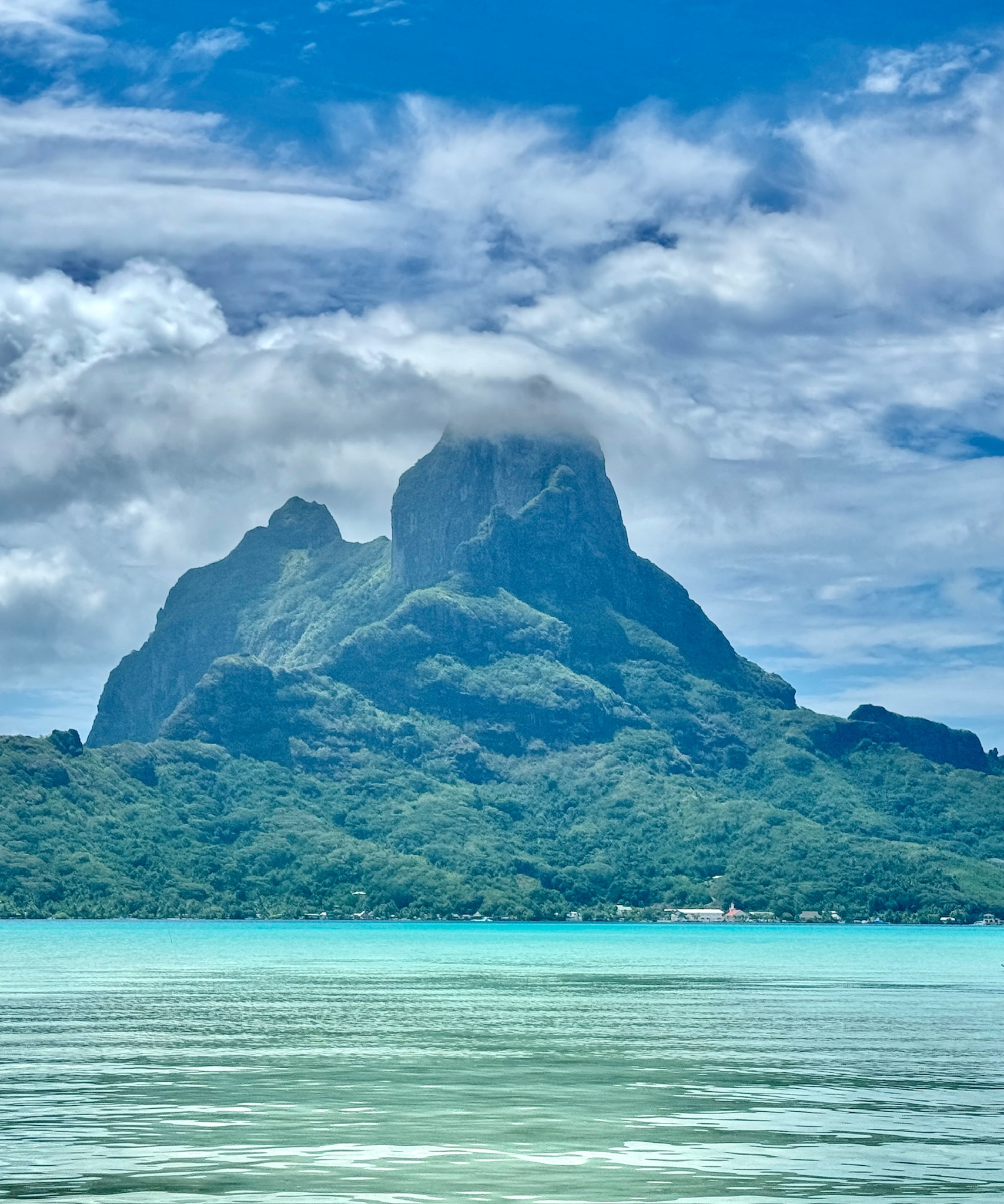
Lived up to the hype. Starts with the landing — knowing which side of the plane to sit on — and the ferry into the port town of Vaitape. It is like walking into a 4K HDTV.
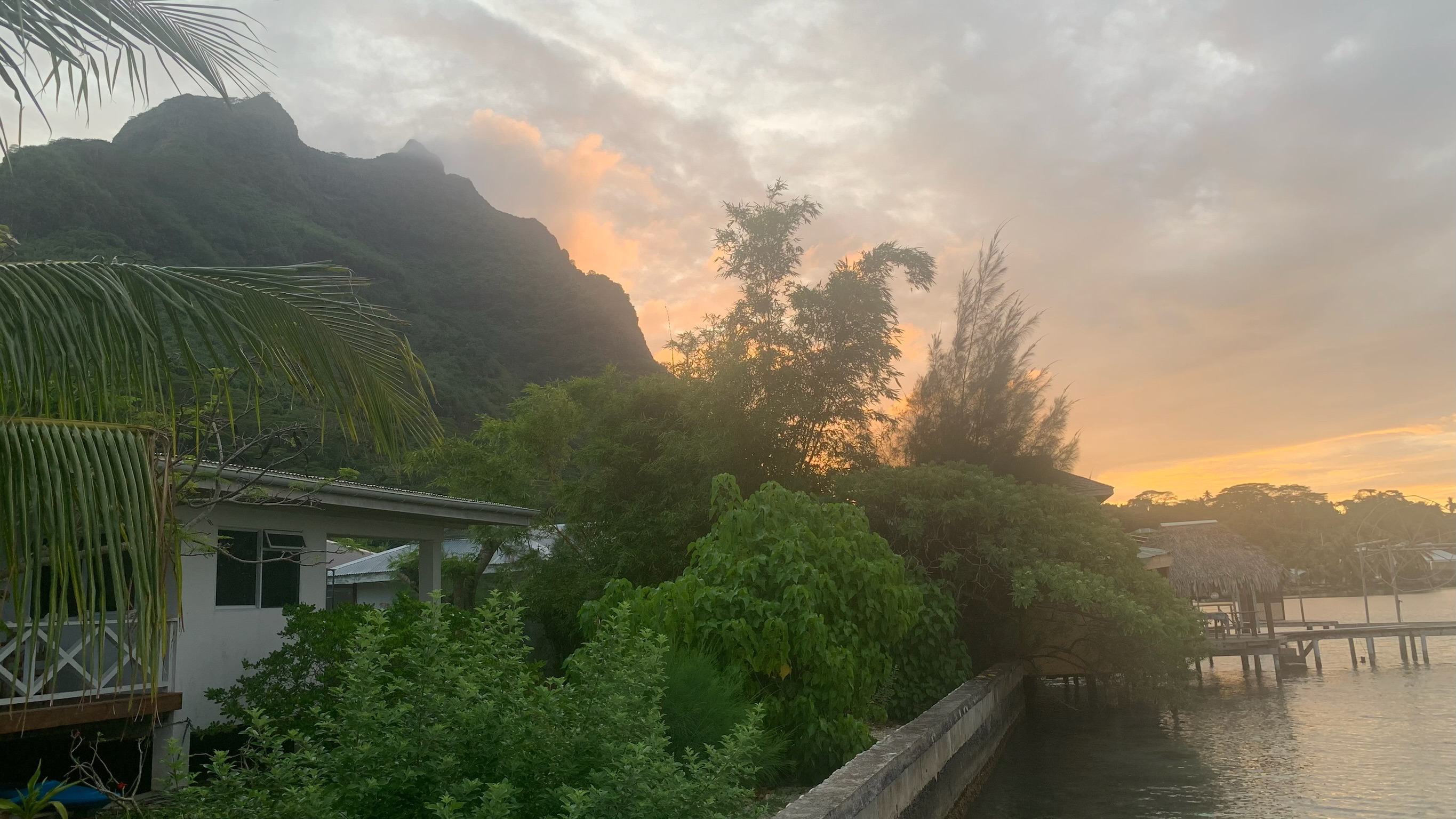
Bora Bora was created by a collapsed volcano which receded into the ocean but left a ring of very small islands around it — coral reefs formed on the remaining ring which creates the white sand and lagoons. Full disclosure: we did not stay in an overwater bungalow, which seemed to be most of the resort accommodation available. We stayed in an AirBnb guesthouse with several apartments on the lagoon near Vaitape, with a nice pool and deck and only one other family to share with. In the end — worth the 70% plus savings versus the overwater bungalow options.
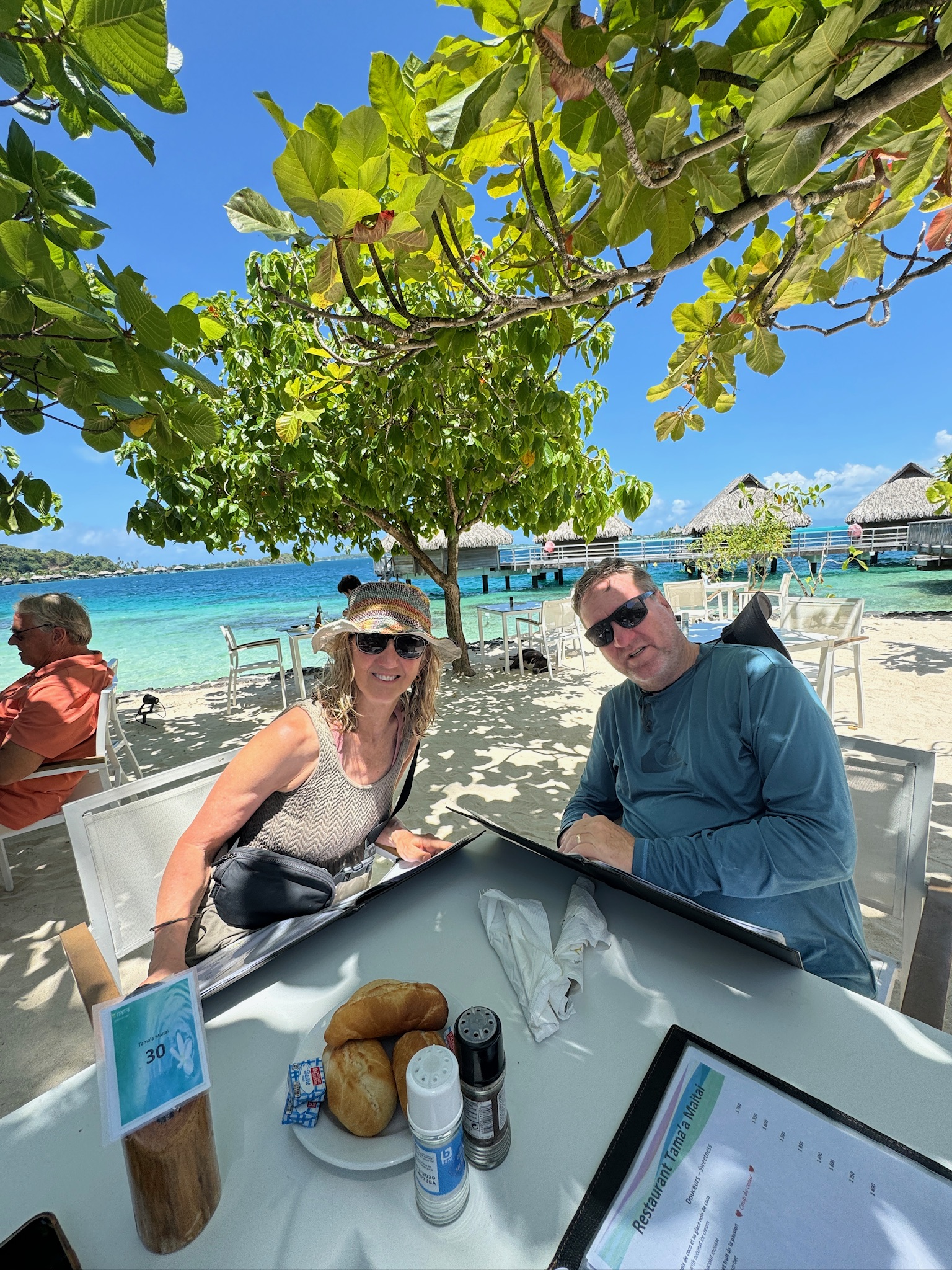
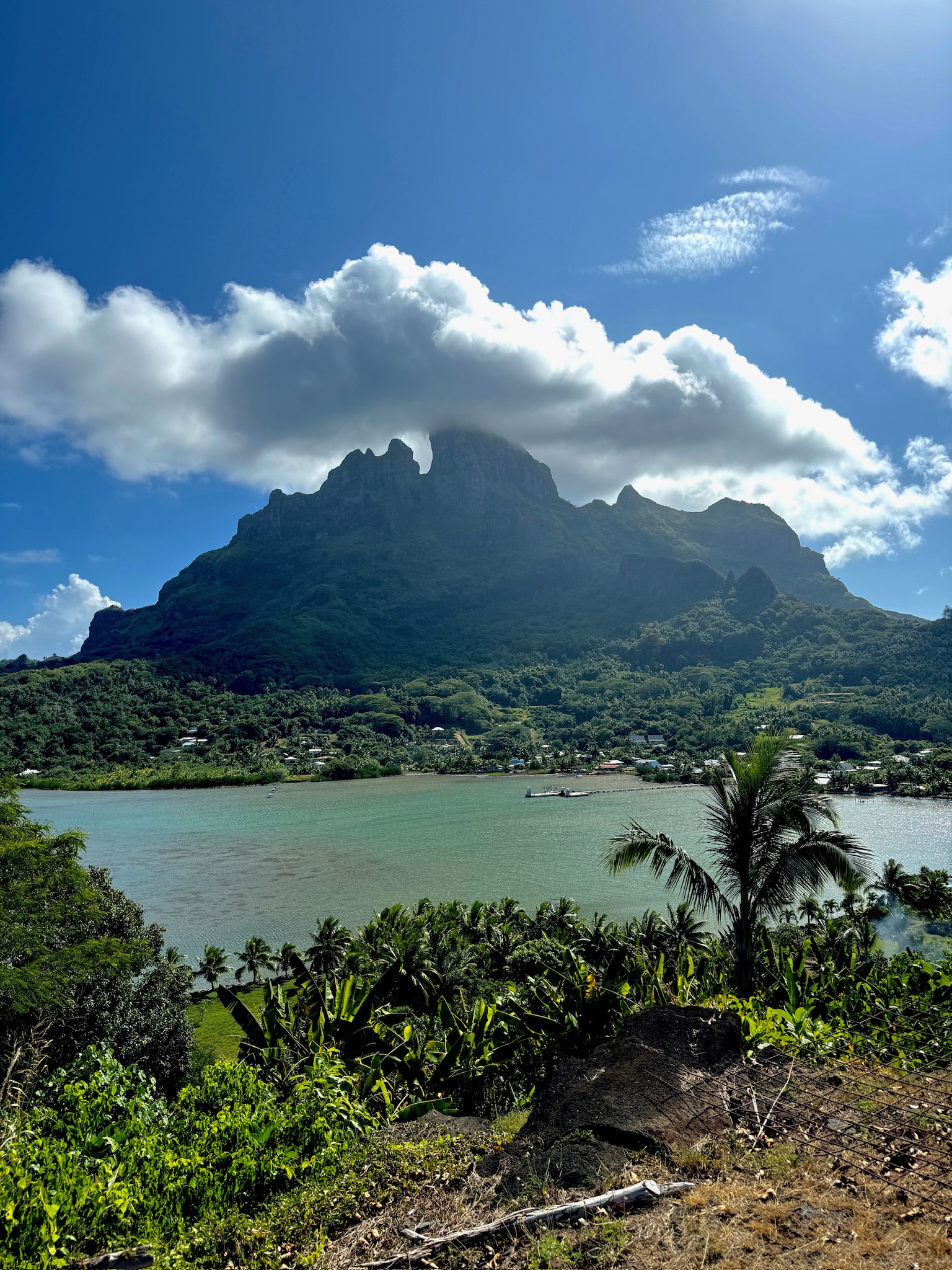
We were lucky from the start with good weather, made a last-minute call to rent a car (which came with snorkel gear and WiFi), found the best public beach at Matira Beach within 20 minutes of getting in the car, and found a beachfront restaurant we visited a couple of times. Found a short hike for a good lookout before getting to the AirBnb for check-in.

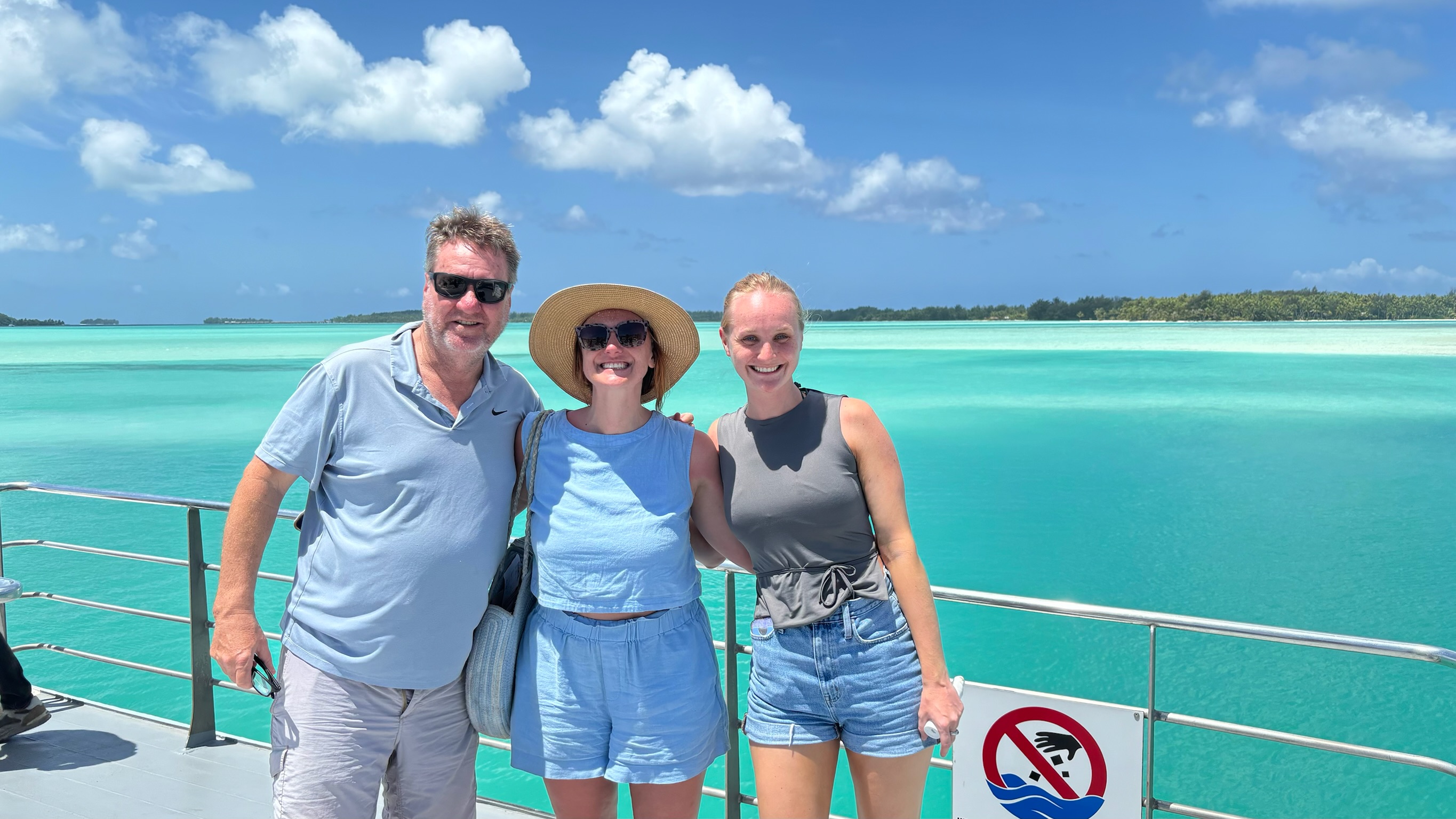


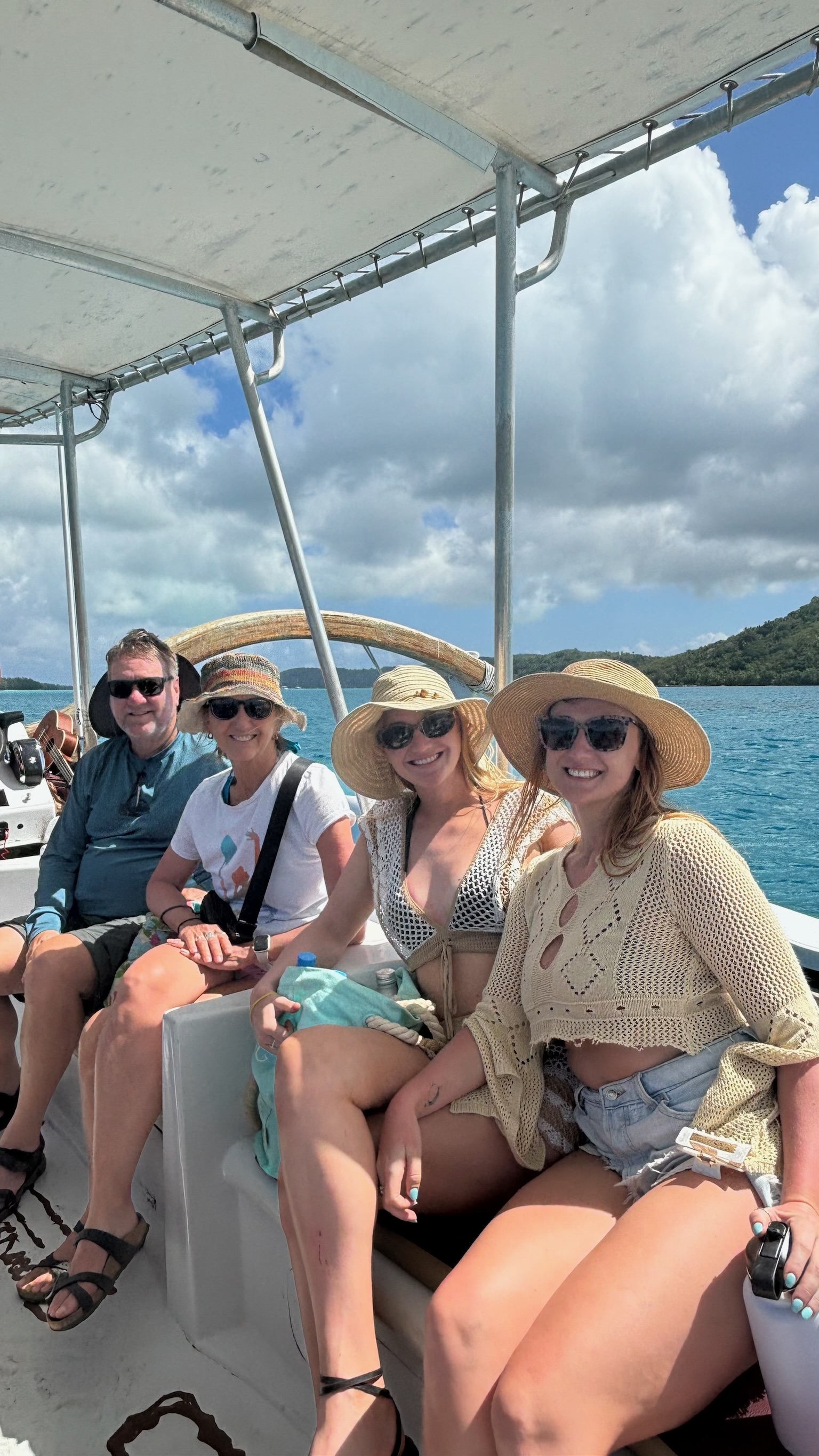
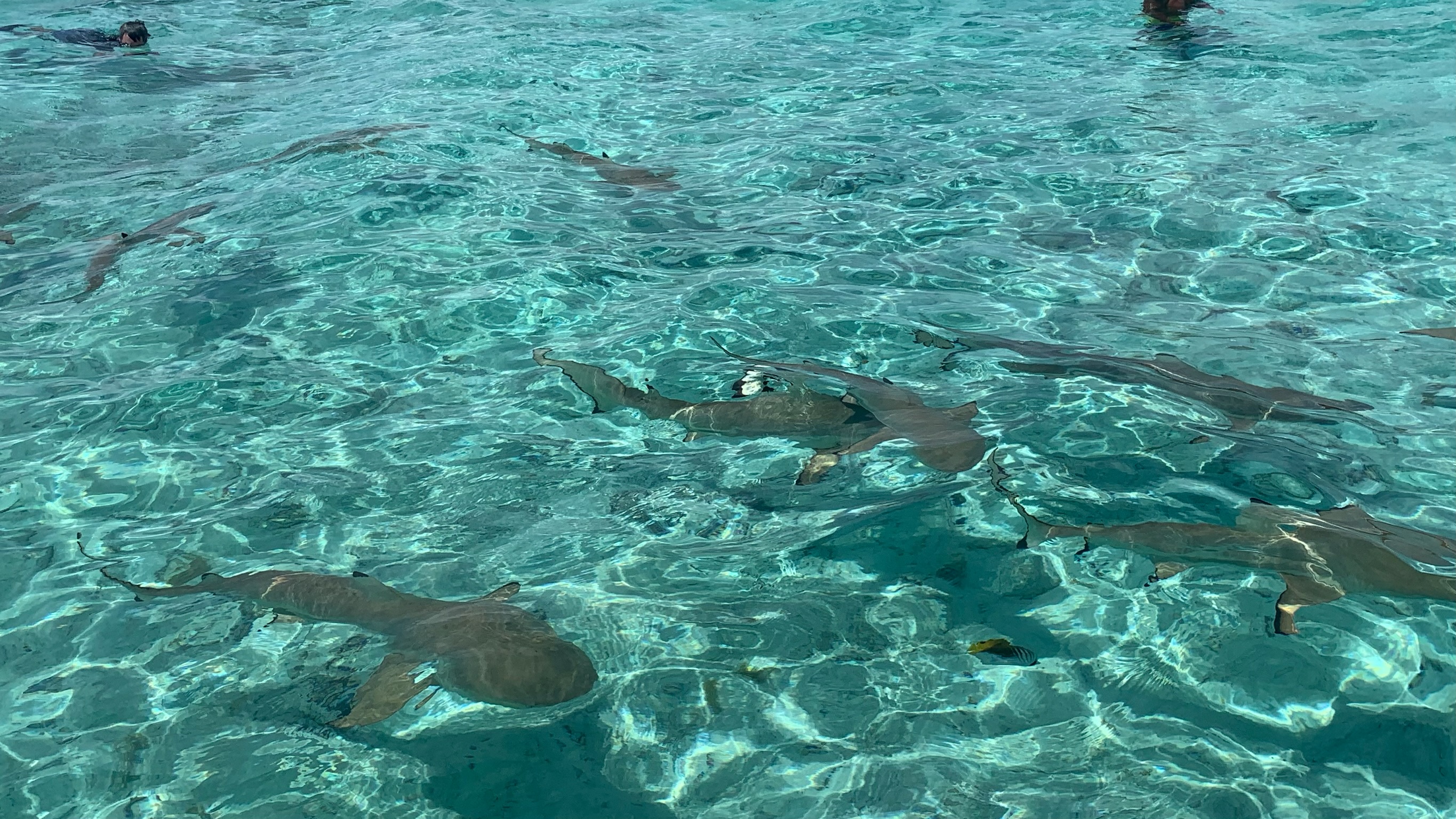
For my birthday and Christmas present, the girls booked us on a snorkel trip and island picnic. The boat ride going around to pick up people from the various resorts was spectacular as a start. We went to several dive spots and ended with a picnic on an outer ring island. The drone video is from a guy on our trip who sent it to me later.


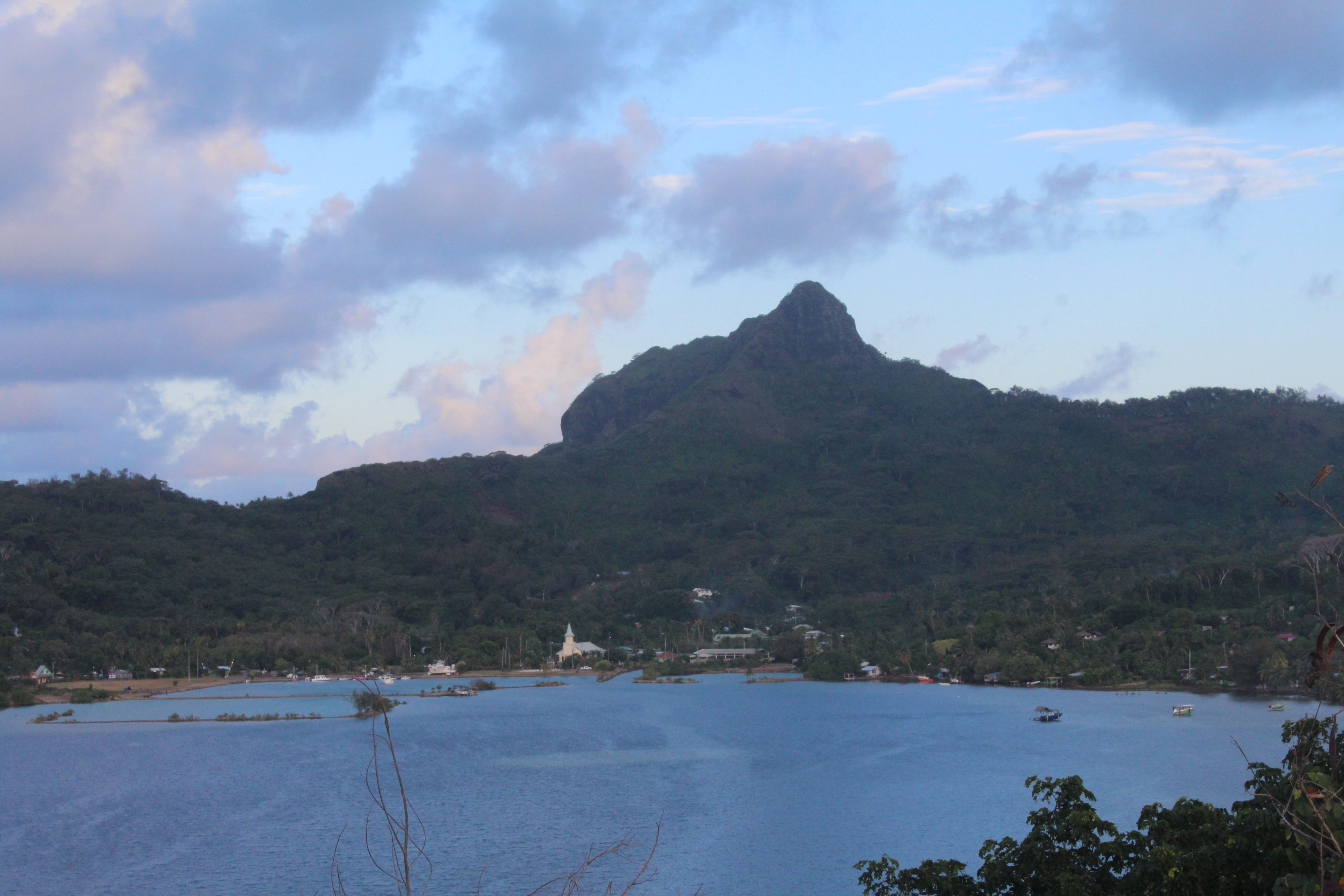
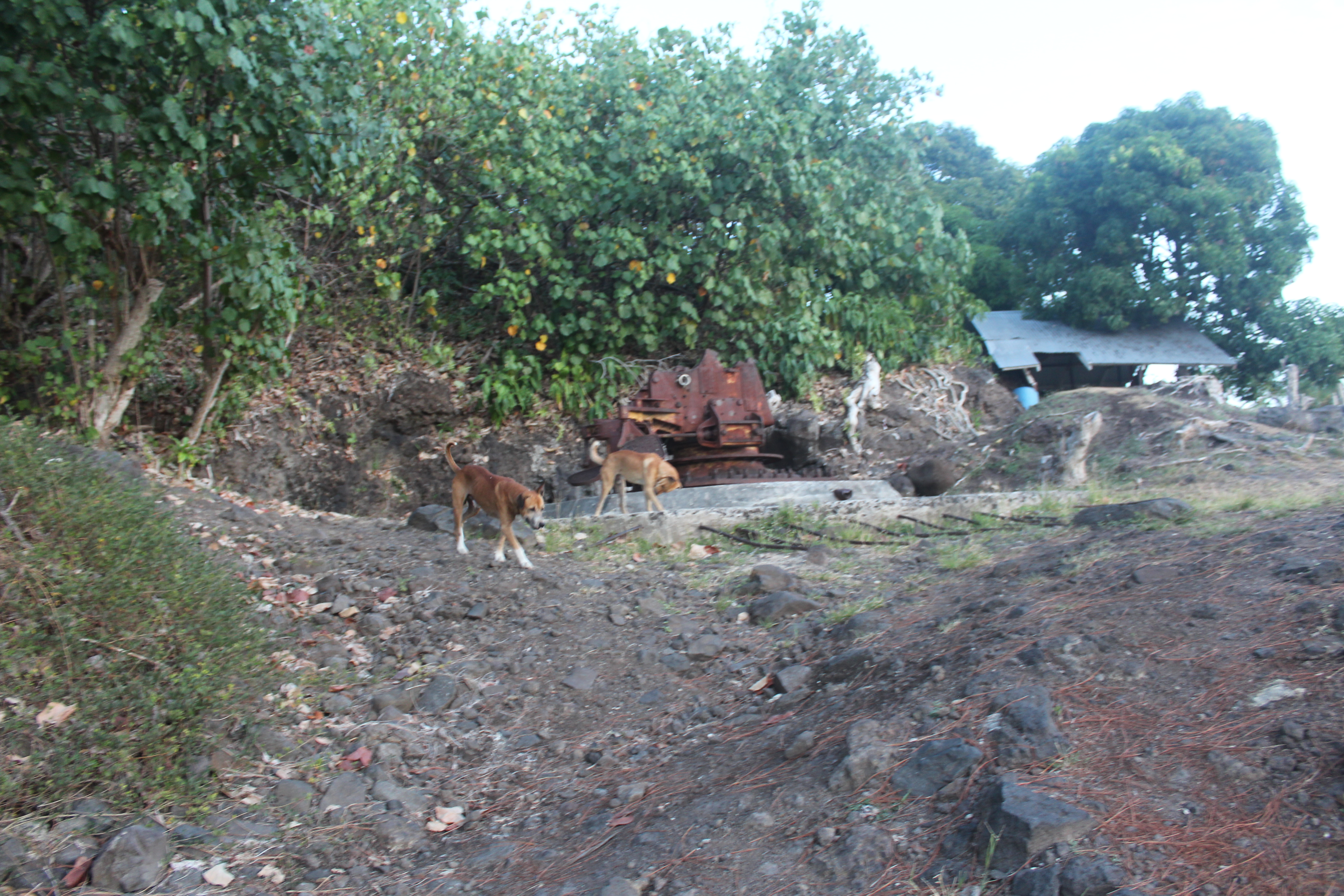
Since we had a 4-wheel drive car, I was trying to find a way to drive toward the highest lookouts (where US Army cannons were built in WW2 — "Operation Bobcat"). The first place I had no luck. Coming back down the hill at a steep grade I started sliding. I had to test the physics law of static versus dynamic coefficient of friction and take my foot off the brake to start rolling, then pump the brakes. It worked. Got some good pictures and ran into a lot of stray dogs — not all nice.
In 1942, the US Army built a major military base and fuelling station on Bora Bora — "Operation Bobcat." They constructed airstrips, fuel tanks, and coastal defence cannons pointing out across the lagoon. The cannons were never fired in combat. Bora Bora was the first US military operation outside the continental US. The base was quietly decommissioned in 1946 and most of the infrastructure is still on the hillsides above Vaitape.


The departure was a bit stressful. The girls had a 2-hour layover in Papeete before their flight to the US, and the flight was initially posted as an hour late — when I asked the agent he said probably 1.5 hours late and they probably wouldn't make it. The next United flight was in 3 days, so we didn't want a repeat of the arrival situation. But he said he would seat them by the door, and we reorganised the luggage so their bags were last on and first off. I also called United to advise they were on the way. About 10 minutes later, Air Tahiti announced all connecting passengers to SFO to come to the counter — about a third of the plane. Air Tahiti then really leaned in: turned the incoming plane around in about 20 minutes, loaded everyone quickly, cut 10 minutes off the flying time, and had a dedicated person waiting to escort everyone to the United counter. The girls made the flight with time to spare.
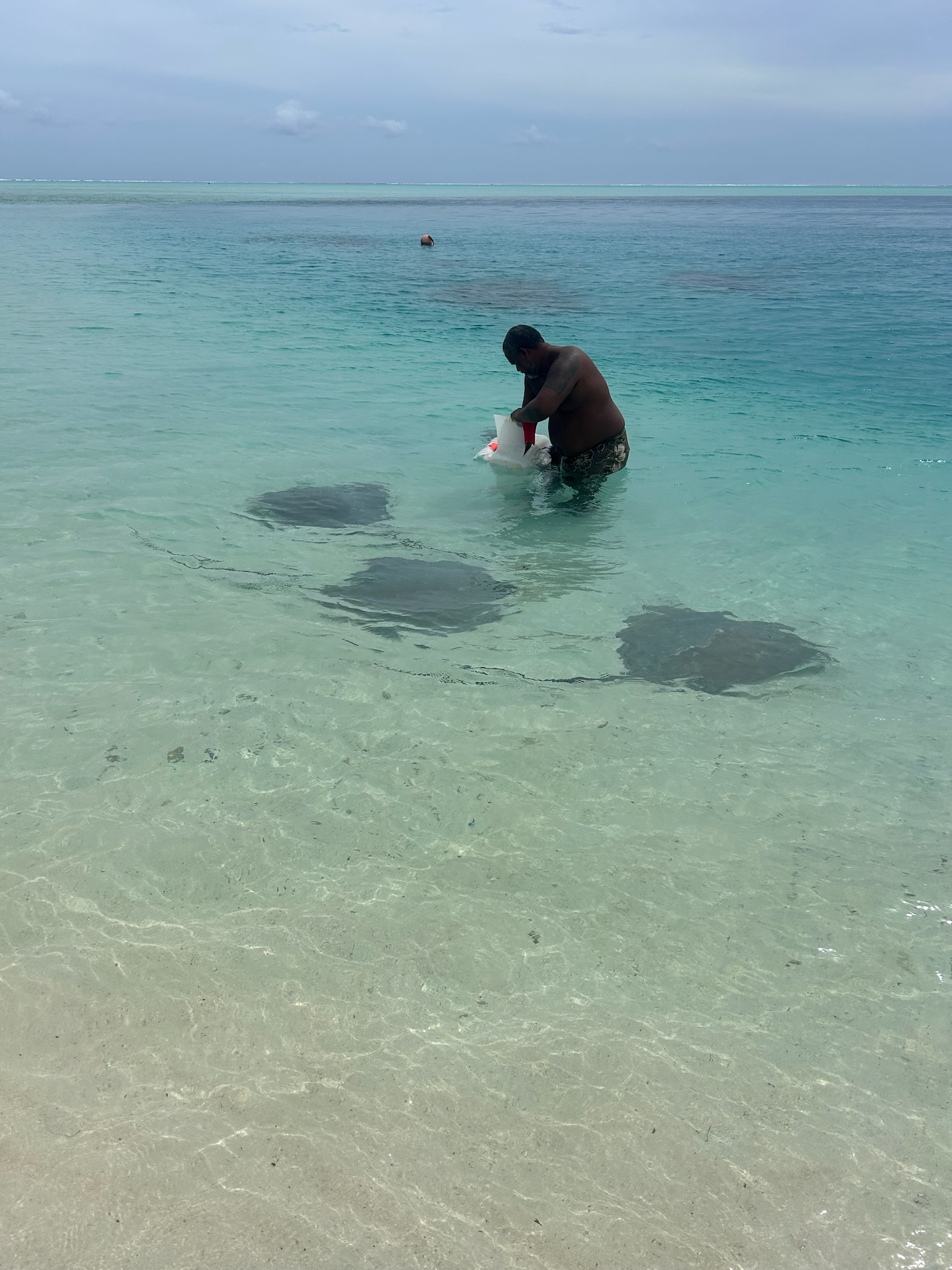
French Polynesia — and Bora Bora and Moorea in particular — will definitely be a place we hope to return to someday.